Welcome to our Compliance Data Gateway, an online tool for gathering compliance-related information and feedback from our third party suppliers and partners. Our organization is firmly committed to maintaining the highest standards of compliance. We uphold all applicable laws, regulations and ethical guidelines, and we continuously strengthen our internal controls to ensure transparency, accountability, and responsible business practices. This commitment guides our decisions, protects our stakeholders and reinforces the trust placed in us. We rely on the timely and accurate cooperation of our suppliers, whose input is essential to maintaining these standards and ensuring a transparent, compliant supply chain. Thank you in advance for your cooperation
What is Compliance ?
Compliance is one of those business terms that sounds simple in theory but becomes quite complex when put into practice. At its most basic definition, compliance means adhering to established laws, regulations, sanctions, standards and company policies.
What Does Compliance Cover ?
Modern compliance covers a broad spectrum of legal, ethical, and operational obligations that organizations must meet to remain trusted, competitive and legally
protected. It is far-reaching, extending into nearly every aspect of business operations. Some of the main areas compliance programs cover are:
- Regulatory Requirements – Adhering to sector-specific laws and regulations (e.g., SOX for financial reporting, HIPAA for healthcare privacy and NERC for energy utilities)
- Data Privacy & Cybersecurity – Meeting global standards like GDPR (EU), CCPA/CPRA (California), and safeguarding sensitive information against breaches.
- Anti-Bribery & Anti-Corruption (ABAC) – Preventing bribery, fraud, money laundering and unethical influence in global operations
- Environmental & Sustainability (ESG) – Ensuring compliance with environmental regulations, sustainable supply chains, and transparent ESG reporting
- Third-Party Risk & Supply Chain Compliance – Conducting due diligence on vendors, partners, and contractors to avoid exposure to violations
- Whistleblower Protections – Establishing safe reporting channels in line with directives like the EU Whistleblower Protection Directive
- Anti-Slavery and Forced Labor
Why Compliance Matters
Compliance is no longer a “nice-to-have”. It is a fundamental requirement for organizations of all sizes and industries. A strong compliance program protects the
organization, its employees and its stakeholders in many ways, such as legal protection, reputation management, investor, customer and supplier confidence.
In short, investing in compliance not only safeguards against regulatory risk but is also more cost-effective than dealing with violations after they occur.
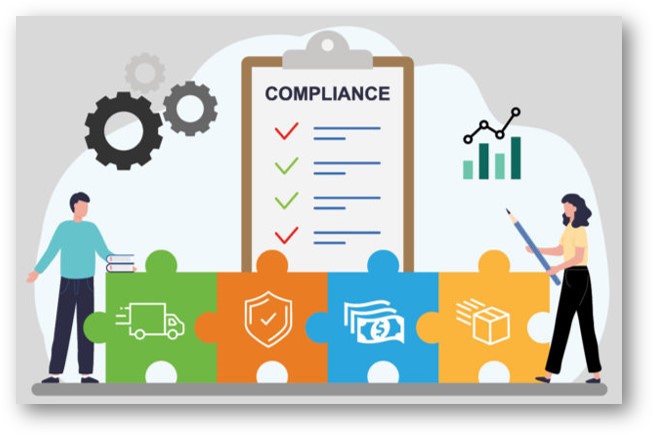

Product Compliance
Product compliance programs—such as REACH, RoHS, and Proposition 65 ensure that products meet regulatory requirements designed to protect human health and the environment. These frameworks restrict the use of hazardous substances, require transparency about chemical content and promote safer material choices throughout the supply chain. By adhering to these standards, companies demonstrate responsible manufacturing practices, reduce risk, and support global sustainability goals.
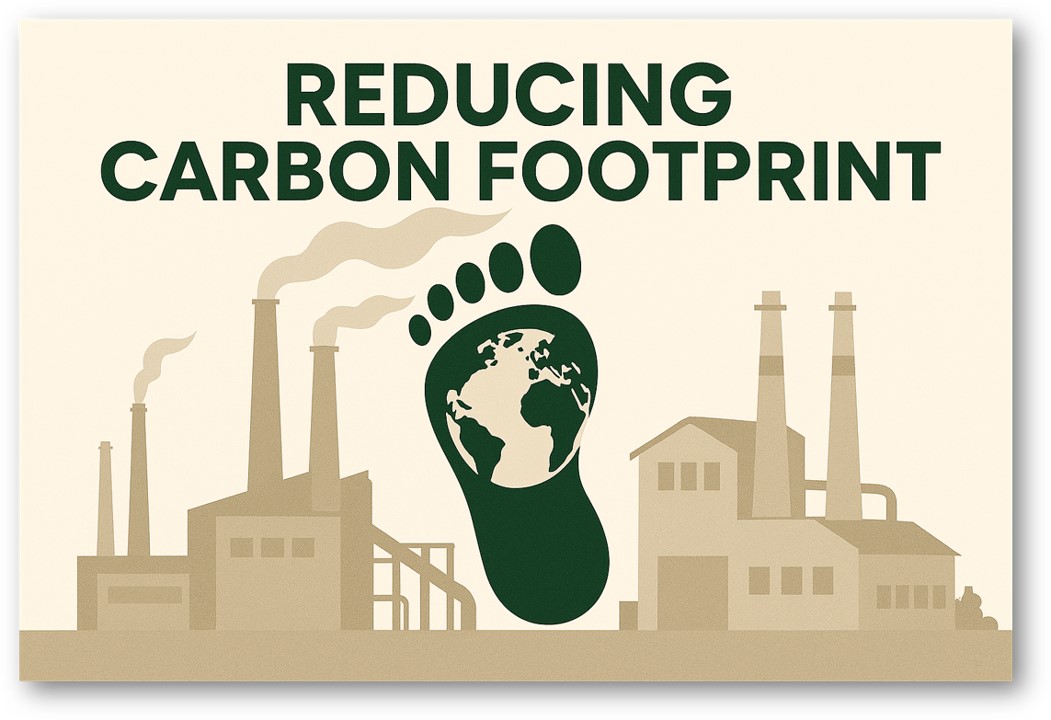
ESG and Sustainability
Environmental, Social, and Governance (ESG) and Sustainability programs help organizations operate responsibly while creating long‑term value. These initiatives focus on reducing environmental impact, promoting ethical business practices, supporting communities and strengthening transparency across operations. By integrating ESG and sustainability principles into strategy and decision‑making, companies demonstrate accountability, manage risk, and contribute to a more resilient and sustainable future.
Contact
Lets get in touch and talk about your questions, concerns and suggestions: